


Healthy Ageing vs. Anti-Ageing: Why Real-World Resilience Beats the Guru Industry and Wonder Drugs

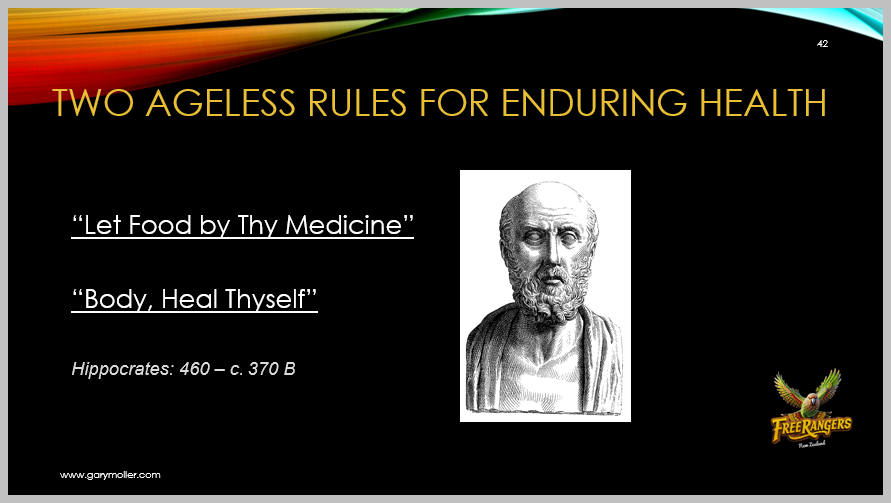
Healthy Ageing vs. Anti-Ageing
I have recently turned 73, and healthy ageing is not an abstract concept or a marketing slogan for me—it is a daily priority and a lived practice.
So far, despite weathering some serious physical injuries over the years, I have done remarkably well. I have achieved this not through esoteric secrets, expensive biohacks, or pharmaceutical shortcuts, but by making consistent, deliberate investments in the unglamorous basics of good health. The goal has always been simple: stay at least twenty years ahead of chronic disease, preserve my physical independence, and ensure my body remains a capable instrument for living a full, adventurous life.
Over the decades, I have written about the relentless parade of health gurus, the promise of the next wonder drug, and the enduring fantasy of the magic bullet. The modern consumer psyche seems permanently conditioned to ask, "Give me a shot, Doc"—looking for an effortless shortcut to vitality that bypasses personal effort, discipline, sweat, and common sense.
The absurdity of this search is matched only by the commercial machinery that feeds it. Watch the health and wellness industry long enough, and you will see the exact same cycle play out like clockwork: every five to eight years, the gurus, drugs, and supplement peddlers are forced to reinvent their product. The previous miracle compound quietly fades into the background, and a new "groundbreaking" molecule, exotic plant extract, repurposed drug, or high-tech procedure is wheeled out as the definitive answer to human mortality.
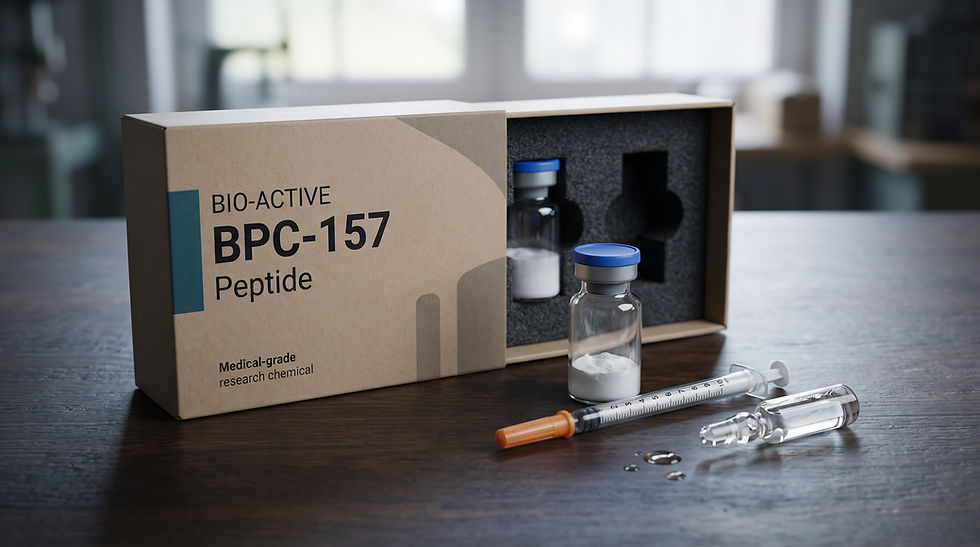
We see this predatory cycle repeated constantly—whether in corporate wellness schemes, multi-level marketing peddling sports performance and miracle supplements, or self-proclaimed longevity experts reinventing the wheel. The latest iteration is the peptide craze, where compounds are marketed as miracle healing elixirs—an illusion I recently dissected in my examination of the BPC-157 peptide bandwagon and the Faustian trap. As I have warned before, we must learn to distinguish true healthy ageing from the commercial anti-ageing gurus who profit from insecurity and the seductive promise of an effortless chemical fix.
I think this entire circus is absurd.
"The modern consumer psyche seems permanently conditioned to ask, 'Give me a shot, Doc'—looking for an effortless shortcut to vitality that bypasses personal effort, discipline, and sweat."
The Crude Reality of the "Anti-Ageing" Industry
At its most simplistic and crude, the modern obsession with "anti-ageing" devolves into a form of taxidermy for the living. We see it everywhere: facial expressions frozen with neurotoxins, lips pumped full of synthetic fillers, skin pulled tight over bone with surgical facelifts, and cosmetic butt implants designed to fake youth.
This is a bizarre inversion of human priorities. It mistakes a fresh coat of cosmetic paint for an engine that actually runs. Altering a silhouette in the bathroom mirror does not clear an arterial plaque, rebuild lost bone mineral density, preserve a fast-twitch motor unit, or ensure you can walk up a steep flight of stairs carrying your own groceries in your eighties.
When vanity completely cannibalises physical function, society loses its grip on what true health actually looks like. A body built through outdoor movement, honest labour, real food, and physical toughness carries an undeniable, functional dignity that no syringe, scalpel, or synthetic filler can ever replicate.
The Pharmaceutical Shortcut: Rapamycin and the mTOR Dilemma
Even at the near-incomprehensible intellectual end of the longevity conversation, the same impulse to find a pharmaceutical fix persists. We see it clearly in the current trend toward medicalising natural life stages, as I discussed regarding Menopause, HRT and the erosion of biological reserves. Now, that exact same pharmaceutical mindset is being applied to longevity itself, particularly around repurposing prescription compounds like rapamycin to manipulate a cellular pathway known as mTOR.
mTOR stands for mechanistic target of rapamycin. Think of it as your body’s master nutrient and energy sensor—a cellular fuel gauge and general contractor rolled into one: When nutrients are plentiful (especially amino acids from protein, carbohydrates, and insulin) or when you mechanically stress muscle through resistance training, mTOR turns ON. It commands cells to grow, replicate, and build new tissue (protein synthesis and structural repair). When nutrients are scarce (such as during fasting or resting between meals), mTOR turns OFF. This drops the cell into housekeeping mode, triggering autophagy—the vital process where cells break down, clean out, and recycle damaged components and misfolded proteins.
In longevity circles, mTOR is frequently demonised. The argument goes that chronic, uninterrupted activation—driven by all-day snacking, refined sugars, and sedentary living—switches off cellular housekeeping and accelerates age-related disease.
The proposed biohack? Take an immunosuppressive prescription drug like rapamycin to chemically shut mTOR down. Yikes!
Yet this completely ignores the other side of the biological ledger. mTOR is not an error of nature; it is the essential catalyst for muscle protein synthesis, tendon remodeling, and tissue repair. In an active older adult, sarcopenia (the loss of muscle mass, quality, and strength) is one of the single greatest threats to independence and survival. Bluntly suppressing mTOR with drugs risks sabotaging the anabolic stimulus you need to maintain muscle, heal injuries, and support hard physical work.
The free-range approach resolves this dilemma not through chemical suppression, but through natural biological pulsing:
Biological Phase | The Driver | Cellular Mechanism | Real-World Benefit |
The Anabolic / Demand Phase | Whole-food meals rich in complete protein; some supplementation; resistance training; vigorous outdoor movement | mTOR turns ON | Builds and repairs muscle, stimulates bone density, repairs connective tissue, restores glycogen |
The Housekeeping / Fasting Phase | The space between meals (no snacking) adopting a no-snack, two-meal daily pattern; plus overnight fasting; plus restorative sleep | mTOR turns OFF (Autophagy turns ON) | Cleans cellular debris, recycles damaged organelles, improves insulin sensitivity, rests digestion |
"A lower biological-age score or altered cellular pathway looks impressive on a lab report, but neither guarantees you can climb a hill, carry heavy supplies, or arrest a fall."
This cyclic rhythm honours the evolutionary design of the human body. It gives you the full cellular clean-up benefits of intermittent downregulation without sacrificing structural strength, physical power, or daily vitality. Nor are you introducing the need to take an expensive drug for the rest of your life.
Retiring the Term "Anti-Ageing"
It is time to discard the phrase "anti-ageing" altogether. From a human perspective, it is not only inaccurate—it is counterproductive.
We all have a finite lifespan. Every single living creature will eventually die, regardless of how many supplements they take, how many prescriptions they fill, or how tightly their skin is pulled. Denying that reality does not extend our years; it simply creates anxiety, encourages superficial vanity, and lines the pockets of an industry that profits from human insecurity, and ill-health.
"Healthy people are a liability to the vanity and sickness industries."
The question has never been how to wage an unwinnable war against the calendar. The real question is: How healthy, capable, and resilient can we remain within our natural lifespan?
"The question is not about anti-ageing; it is about how healthy you are within your lifespan, and what you contribute to make the world better than you found it."
Healthy ageing is measured in lived experience, not cosmetic perfection:
The daily enjoyment of waking up in a body that moves without chronic, debilitating pain.
The physical freedom to ride a bike, run a trail, walk briskly, swim, work with your hands, and engage directly with the natural world.
The metabolic and cardiovascular reserve to absorb physical stress, withstand an injury, and bounce back.
The satisfaction, perspective, and mentorship you offer to your family, community, and the generations coming up behind you.
Longevity without physical capability and purpose is an empty prize. Real vitality is not found in the bottom of a pill bottle, through an experimental peptide vial, the bloated steroid-induced physique of the bodybuilder, or on a cosmetic surgeon's table; it is earned out on the trails, at the dinner table, in the gym, and through the deliberate daily habits that keep you strong, capable, and free. Free of the need for drugs.
Key Takeaways for Real-World Longevity:
Reject the quick-fix cycle: Disregard the 5-to-8-year guru product cycle; true health foundations have not changed in centuries.
Prioritise muscle and movement: Functional muscle mass and balance are your greatest insurance policies against frailty and dependency.
Pulse your nutrition: Eat substantial, nutrient-dense meals and stop snacking to give your cells natural periods of growth followed by repair.
Aim for contribution, not just longevity: Direct your vitality outward toward your community, your work, and your loved ones. Share the knowledge and wisdom you have gained from a well‑lived life.

Important Medical Disclaimer
The information provided in this article is based on my personal experiences, observations, and decades of professional work in physical performance, rehabilitation, and natural health. It is published strictly for educational and informational purposes and does not constitute medical advice, diagnosis, or treatment.
Prescription medications (such as rapamycin or hormone therapies), peptides, and pharmaceutical interventions carry significant physiological effects, contraindications, and potential risks that require direct oversight from a qualified medical doctor. Never commence, alter, or discontinue any prescription medication or medical therapy without consulting your healthcare provider.
Any lifestyle, nutritional, fasting, or exercise strategies discussed should be tailored to your individual health status, physical capacity, and medical history. Always seek the advice of your physician or other qualified health practitioner with any questions regarding a medical condition.


Comments